


Page 28 - YouthPower
P. 28
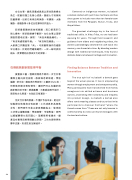
女仕女事,顧名思義成員是以原住民族婦女 為主,從最初僅三名核心成員,歷經人才培育與 技藝累積,目前已有來自阿美族、布農族、太魯 閣族、泰雅族等十多位女性夥伴共同投入。
起初最困難的是技術斷層:溪口部落早已 無人織布,師承脈絡幾乎斷裂。女仕女事以田野 調查問耆老記憶,詢問:「有沒有看過織布」、 「有沒有處理過苧麻」、「有沒有捻線過」...... 大家異口同聲回答「有」,可是實際操作的細節 早已遺忘。於是她們邊做邊問,一針一線地拼回 過去,從零開始自我與文化的探索。
在傳統與創新間取得平衡
要重振工藝,僅靠回憶是不夠的。女仕女事 團隊主動向其他部落、族群與老師取經,學習 編織、草木染、織具改良等技術。工藝師 Mahi 說, 阿美族的織法較有彈性,讓她們可以在繼承與 創新間找到平衡。透過圖騰、元素跳接現代設計, 既保有文化厚度,也貼近日常潮流。
但女仕女事的意義,不僅於作品本身,更在於 促進婦女就業與女性創業。工坊成員多為部落 女性,她們原先可能以家庭照顧為主,後來因 工坊得以接觸技藝、學習經營、市場對接。她們 以細膩觀察力與同理心,理解使用者需求,讓 產品在實用與美學間劃出空間。工坊也期待男性 夥伴支援,形成性別互補協作。
Centered on indigenous women, nu babahi a demak started with just three members and has since grown to include more than ten female team members from the Pangcah, Bunun, Truku, and Atayal tribes.
The greatest challenge lay in the loss of traditional skills. In Xikou Tribe, no one had been weaving for years. Through field research and guidance from elders and neighboring tribes, the women painstakingly stitched the craft back into memory, one thread at a time. By blending modern design with traditional techniques, they found a delicate balance between heritage and innovation.
Finding Balance Between Tradition and Innovation
The true spirit of nu babahi a demak goes beyond the woven pieces. It lies in empowering women through employment and entrepreneurship. Many participants have transformed from family caregivers into skilled artisans and business owners, channeling their sensitivity and empathy into product design. nu babahi a demak also offers ramie weaving classes and tours that invite participants to discover firsthand “where the thread comes from.” These are not only lessons in craftsmanship but also profound dialogues with the land and culture.
 26


